
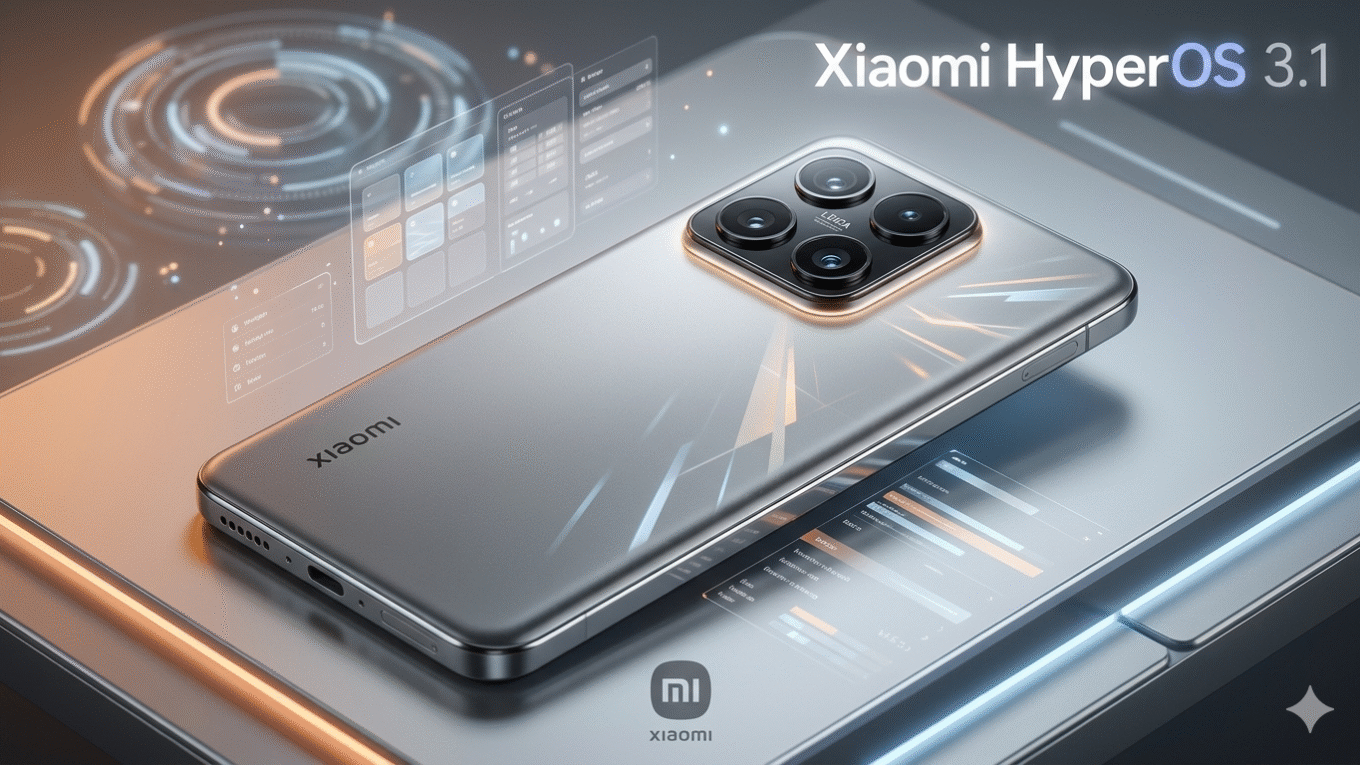
Xiaomi 17 Is Close to 5 Million Units Sold in China — And the Xiaomi 17 Max Hasn’t Even Arrived Yet
I’m going to be honest with you: when I first saw the sales numbers for the Xiaomi 17 series, I had to read them twice. Not because I doubted them. Because the scale of it is genuinely hard to wrap your head around.
Nearly 4.74 million units sold in China alone — before the Xiaomi 17 Max even has a confirmed release date. That’s not just impressive for a Chinese brand. That’s a statement to the entire global smartphone industry.
Let me break it all down for you, so you understand exactly what’s happening here and why it matters even if you don’t live in China.
The Xiaomi 17 Series Is Dominating China’s Premium Market
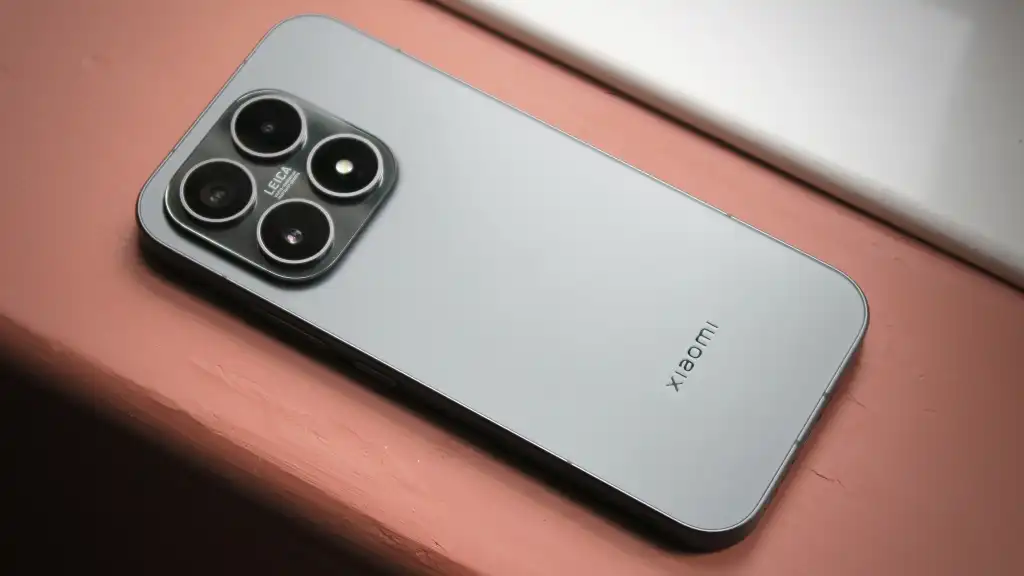
According to the latest market figures from industry source “RDObservation,” cumulative sales of the Xiaomi 17 series reached approximately 4.7363 million units by the 18th week of 2026. Meanwhile, the Xiaomi 17 Ultra alone reportedly sold around 207,000 units in the Chinese market.
I know some people might say, “That’s just China.” But here’s the thing — China is the most competitive smartphone market on the planet. Apple, Samsung, Huawei, OPPO, vivo — they’re all fighting tooth and nail for every percentage point of market share. For Xiaomi to rack up these numbers in the premium segment, where phones start at the equivalent of $620 and go all the way past $1,200, is extraordinary.
It’s important to note that these numbers represent China sales only and do not include global shipments. Additionally, the Xiaomi 17 Pro lineup remains exclusive to China, meaning devices like the Xiaomi 17 Pro and Xiaomi 17 Pro Max are not officially available in international markets. So the global picture is actually even larger than what we’re seeing here.
The Launch Was Historic — And I Mean That Literally
The Xiaomi 17 series had an explosive debut immediately after launch. Xiaomi CEO Lei Jun previously confirmed that the lineup surpassed 1 million sales within just five days of release.
Five days. Let that number sit for a second.
Even more impressively, Xiaomi reportedly broke the record for the highest first-day sales volume and revenue among domestic smartphone launches across all price segments — within only five minutes after sales opened in 2025.
Five minutes. A record-breaking launch, across all price categories, in five minutes. I’ve covered consumer tech for years, and I genuinely can’t think of another Android launch that pulled that off at this price tier.
The Xiaomi 17 series was the first to feature the Snapdragon 8 Elite Gen 5 chipset, built on TSMC’s 3 nm fabrication process. That’s the same cutting-edge node technology you’d expect from Apple’s chips. The difference is Xiaomi is selling this at a fraction of what Apple charges globally.
Xiaomi 17 Series Pricing (China, Converted to USD)
Here’s a full breakdown of official Chinese pricing and their approximate USD equivalents. I know pricing tables can feel dry, but trust me — this context matters when you understand what you’re getting for the money.
Xiaomi 17
| Configuration | CNY Price | USD Equivalent |
|---|---|---|
| 12 GB + 256 GB | ¥4,499 | ~$620 |
| 12 GB + 512 GB | ¥4,799 | ~$660 |
| 16 GB + 512 GB | ¥4,999 | ~$690 |
| 16 GB + 1 TB | ¥5,299 | ~$730 |
Xiaomi 17 Pro (China Exclusive)
| Configuration | CNY Price | USD Equivalent |
|---|---|---|
| 12 GB + 256 GB | ¥4,999 | ~$690 |
| 12 GB + 512 GB | ¥5,299 | ~$730 |
| 16 GB + 512 GB | ¥5,599 | ~$770 |
| 16 GB + 1 TB | ¥5,999 | ~$825 |
Xiaomi 17 Pro Max (China Exclusive)
| Configuration | CNY Price | USD Equivalent |
|---|---|---|
| 12 GB + 512 GB | ¥5,999 | ~$825 |
| 16 GB + 512 GB | ¥6,299 | ~$865 |
| 16 GB + 1 TB | ¥6,999 | ~$960 |
Xiaomi 17 Ultra
| Configuration | CNY Price | USD Equivalent |
|---|---|---|
| 12 GB + 512 GB | ¥6,999 | ~$960 |
| 16 GB + 512 GB | ¥7,499 | ~$1,030 |
| 16 GB + 1 TB | ¥8,499 | ~$1,170 |
| Leica Edition 16 GB + 512 GB | ¥7,999 | ~$1,100 |
| Leica Edition 16 GB + 1 TB | ¥8,999 | ~$1,240 |
Looking at these numbers, the value proposition is hard to argue against — especially the standard Xiaomi 17, which packs flagship-tier silicon into a price bracket that iPhones don’t even visit.
The Xiaomi 17 Max: A New Giant Is Coming
Here’s where it gets exciting — and where that “close to 5 million” number is about to become even more relevant.
A recent leak suggested that Xiaomi is preparing a new large-screen flagship device tentatively scheduled for launch in late May. The device is expected to feature:
- Snapdragon 8 Elite Gen 5 processor
- A large flat display with ultra-thin bezels
- A battery equivalent to 8,000 mAh capacity
- 3D ultrasonic fingerprint recognition
- Full water resistance
There are rumors the device will be launched as the Xiaomi 17 Max, potentially becoming the largest and most battery-focused model in the Xiaomi 17 family.
I want to be upfront: these are leaks, not official announcements. Xiaomi hasn’t confirmed a release date or final specs. But given the momentum this series already has, if the Xiaomi 17 Max lands in late May, it would push that 4.74 million figure significantly higher — possibly crossing the 5 million mark before the summer.
What This Tells Us About HyperOS and Xiaomi’s Ecosystem Play
I think there’s a bigger story hiding inside these sales numbers, and it’s one that gets overlooked in the rush to talk about hardware specs.
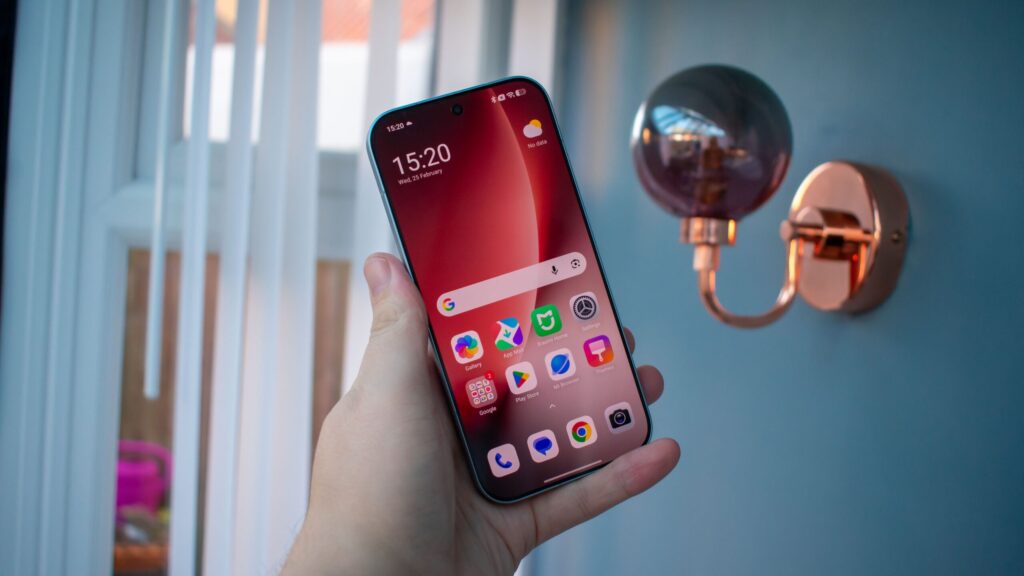
These phones launched with Xiaomi HyperOS 3 pre-installed. And HyperOS isn’t just an Android skin — it’s the foundation of Xiaomi’s entire “Human × Car × Home” ecosystem. Every flagship unit sold is one more entry point into that ecosystem. One more person who might buy a Xiaomi TV, a Xiaomi EV, a Xiaomi smart home device.
If you own a Xiaomi phone and want to get the most out of HyperOS, one of the first things you should understand is how your device’s region settings affect which features and updates you receive. Xiaomi devices are sold in multiple regional variants, and this directly affects your update schedule and software experience. If you’re not sure which version you have, I’d recommend reading how to identify your Xiaomi’s region before HyperOS 3.1 arrives — it explains exactly what to look for in your settings and why it matters.
Getting this right isn’t just about curiosity. If your device is registered to the wrong region, you might miss software rollouts entirely, or receive a version of HyperOS that doesn’t include all the features you’re expecting. I’ve seen this happen to readers who bought Xiaomi phones from international retailers without checking the region variant, and the frustration is very real.
HyperOS 3.1 Updates: Who’s Getting It and When
Speaking of software, the update picture for HyperOS right now is moving fast. If you’re already on a Xiaomi, Redmi, or POCO device and wondering whether your phone is on the list, there’s a comprehensive resource that’s been tracking this in real time. The full list of devices receiving HyperOS 3.1 as of April 13, 2026 has been updated with new additions and is one of the most detailed rollout trackers I’ve seen.
It’s worth bookmarking, especially if you’re on a mid-range device. The rollout for flagship series devices like the Xiaomi 17 tends to prioritize flagship hardware first, but the list is expanding steadily. Knowing exactly where your device stands saves you from the frustration of refreshing your update screen every morning and wondering if something went wrong.
If Something Breaks After an OTA Update, Here’s What to Do
I know this is a tangent from the sales numbers, but it’s one of the most common questions I get when a new update cycle kicks off: “My phone is acting weird after the update — what do I do?”
The wrong answer is to factory reset immediately. That wipes everything and doesn’t always fix the underlying issue. The right approach is a structured post-OTA recovery process that clears caches and resets system flags without losing your data. I’ve written a detailed guide on how to fix any bug after an OTA update on HyperOS 3 that walks through this step by step. It’s become one of the most-read pieces on the site because it actually works.
If you’re upgrading a Xiaomi 17 device and notice battery drain, overheating, or app crashes after an update, that guide should be your first stop — not the factory reset button.
Xiaomi’s Update Support Window: What You Need to Know
One more thing that matters when you’re investing in a flagship phone at these prices: how long will it be supported?
Xiaomi has been evolving its software support commitments, and there’s an important deadline that many buyers aren’t aware of. The HyperOS update deadline that could change everything for your device explains the specific timeline Xiaomi has communicated and what it means practically for users of older and newer models alike.
For anyone buying into the Xiaomi 17 series now — or considering a Xiaomi 17 Max when it arrives — understanding the support window is just as important as knowing the specs. A phone with five years of update support is a fundamentally different purchase than one with two.
Quick Highlights
- 4.7363 million Xiaomi 17 units sold in China through Week 18 of 2026
- 207,000 Xiaomi 17 Ultra units sold in the Chinese market
- Series hit 1 million sales in 5 days after launch
- Broke first-day sales records in 5 minutes after opening
- Xiaomi 17 standard model starts at ~$620 USD equivalent in China
- Xiaomi 17 Ultra tops out at ~$1,240 USD with the Leica Edition
- Xiaomi 17 Pro and 17 Pro Max remain China-exclusive
- Xiaomi 17 Max rumored for late May with 8,000 mAh battery and Snapdragon 8 Elite Gen 5
- All Xiaomi 17 devices launched with HyperOS 3 pre-installed
- Global numbers not included — China figures only
FAQ: Your Xiaomi 17 Questions, Answered
How many units has the Xiaomi 17 series sold? As of the 18th week of 2026, the Xiaomi 17 series has sold approximately 4.7363 million units in China, with the Xiaomi 17 Ultra accounting for around 207,000 of those sales.
Is the Xiaomi 17 available outside China? The standard Xiaomi 17 and Xiaomi 17 Ultra are available internationally. However, the Xiaomi 17 Pro and Xiaomi 17 Pro Max remain China exclusives and are not officially sold in global markets.
What is the Xiaomi 17 Max? The Xiaomi 17 Max is a rumored upcoming flagship from Xiaomi with a large flat display, an 8,000 mAh-equivalent battery, Snapdragon 8 Elite Gen 5 processor, 3D ultrasonic fingerprint reader, and full water resistance. It is expected to launch in late May 2026, though Xiaomi has not made an official announcement.
How much does the Xiaomi 17 Ultra cost? In China, the Xiaomi 17 Ultra starts at ¥6,999 (approximately $960 USD) and goes up to ¥8,999 (approximately $1,240 USD) for the Leica Edition with 1 TB of storage.
What processor does the Xiaomi 17 use? The entire Xiaomi 17 series is powered by the Snapdragon 8 Elite Gen 5, built on TSMC’s 3 nm fabrication process — the same node technology used in Apple’s most recent chips.
Does the Xiaomi 17 come with HyperOS? Yes. All Xiaomi 17 series devices launched with HyperOS 3 pre-installed. The HyperOS 3.1 update is currently rolling out to eligible devices.
Why did the Xiaomi 17 set a sales record? According to Xiaomi, the series broke the record for the highest first-day sales volume and revenue among all domestic Chinese smartphone launches across every price segment, achieving this within five minutes of sales going live.
Author’s View
Here’s what I really want you to take away from this.
The Xiaomi 17 hitting 4.74 million units in China before the Xiaomi 17 Max even launches isn’t just a sales story. It’s a signal. It tells us that Chinese consumers — among the most demanding, most brand-savvy tech buyers in the world — are choosing Xiaomi over Apple and Huawei at premium price points. That’s not something that happens by accident.
Xiaomi built this with better hardware (Snapdragon 8 Elite Gen 5, 7,000 mAh batteries, rear AMOLED secondary displays on the Pro models), a software ecosystem that’s maturing fast (HyperOS 3), and a pricing strategy that makes Samsung and Apple look like they’re still operating with 2019 margins.
If the Xiaomi 17 Max launches in late May with those rumored specs — particularly the 8,000 mAh battery — I think it’s going to be one of the most talked-about Android phones of 2026. Not just in China, but globally.
My advice: if you’re in the market for a flagship Android phone right now, pay close attention to what Xiaomi does in the next few weeks. The 5 million units milestone is close. And when the Xiaomi 17 Max enters the picture, the conversation about premium Android is going to shift in a way that’s hard to ignore.
SOURCE: IT