
HyperOS 3.1 Dynamic Island Gets Revolutionary Design Overhaul
The HyperOS 3.1 Dynamic Island just got a massive upgrade that changes everything. Xiaomi finally delivered what users have been asking for years.
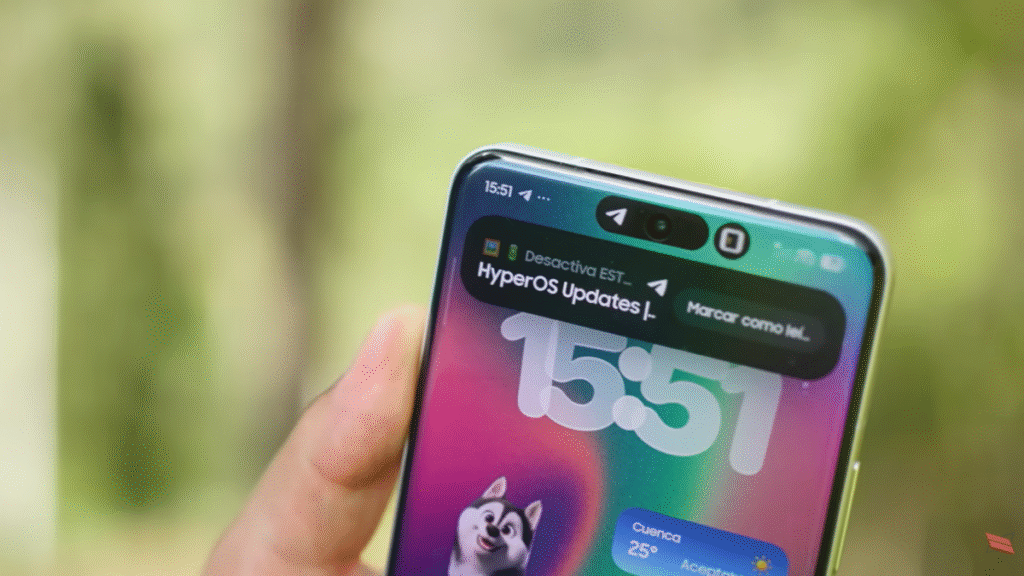
If you own a Xiaomi phone and follow tech news, you know what Dynamic Island is. It’s that interactive area at the top of your screen that shows notifications, music playback, and other info.
Now with version 3.1, this feature became way more useful and beautiful. I’ll show you everything that changed and how it improves your daily phone experience.
What Changed in the HyperOS 3.1 Dynamic Island
The first thing you’ll notice is the visual redesign. Xiaomi completely rebuilt how the Dynamic Island looks and feels.
Animations are faster and smoother now. When you plug in your charger, for example, the popup appears smaller and more subtle.
In the previous version, that same popup was larger and took longer to disappear. Seems like a small detail, but it makes a huge difference daily.
Progress Bar Gets Complete Redesign
When you’re listening to music or podcasts, the progress bar changed dramatically. It got shorter horizontally and slightly taller vertically.
This change gives a premium, modern feeling. The little ball showing your playback progress now glows brighter.
The color gradient that follows playback became more vivid. It changes based on your album art or the app you’re using.
Rounded Corners and Premium Feel
The cards appearing in the Dynamic Island got rounder corners. Xiaomi slightly shortened the size of these elements too.
This change seems subtle, but it transforms the entire visual experience. Everything looks like a more expensive, well-crafted device.
Third-Party App Integration Finally Arrives
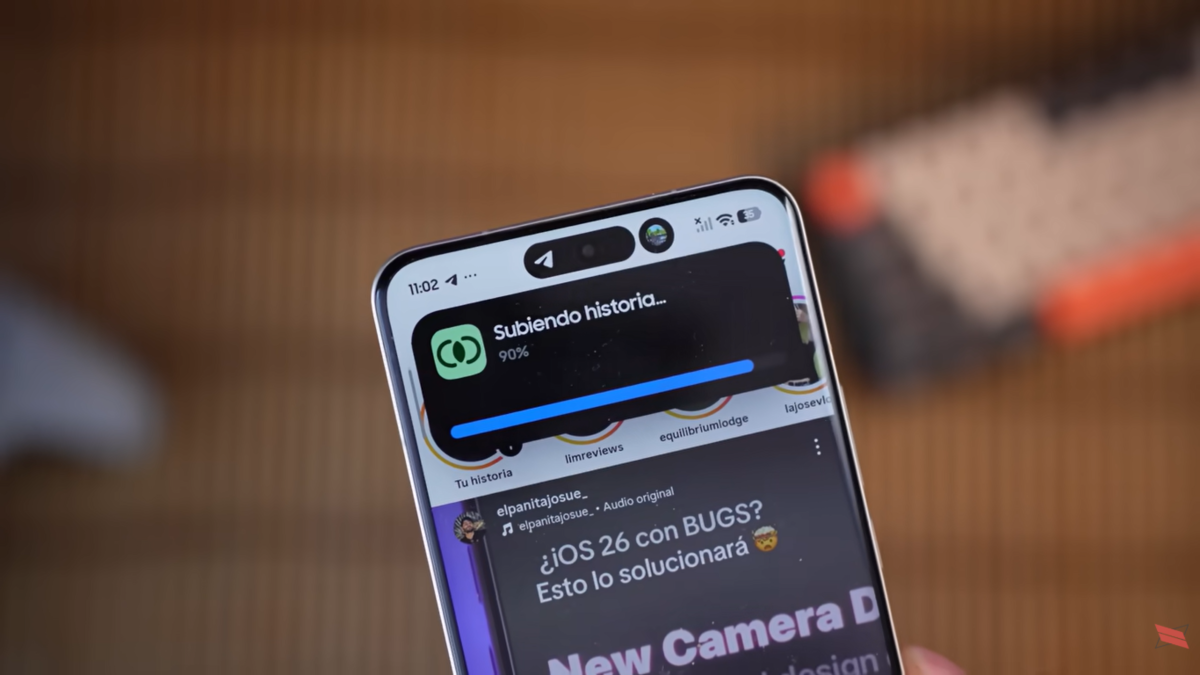
Here’s the most important change of all. HyperOS 3.1 now supports third-party apps in the Dynamic Island.
Before, only Xiaomi-approved apps worked there. Now any developer can make their app appear in that space.
This happens because the system supports Android 16’s API. App creators don’t need Xiaomi’s specific code anymore.
How This Changes Your Experience
Imagine ordering food delivery. With the integration, the app shows your order status right in the Dynamic Island.
When the driver arrives, you see their photo and can unlock your door without opening your phone. Everything appears up top.
Payment apps work this way too now. You can pay for bus or subway fare straight from your locked screen.
No more unlocking, finding the app, opening it, and waiting. Everything’s available with one tap on the Dynamic Island.
Real-World Examples
Think about messaging apps like WhatsApp or Telegram. Soon they might show messages and let you reply without leaving what you’re doing.
Banking apps could display balances or confirm payments. Fitness apps could show your workout in real-time.
The possibilities are endless. Everything depends on developers creating this integration now.
Faster and Smoother Animations
Animation speed improved significantly in HyperOS 3.1. Everything responds faster when you tap the screen.
When you open an app from the Dynamic Island, the transition is instant. No more annoying delay from the previous version.
These improvements come from a complete system code rewrite. Xiaomi didn’t just update—they rebuilt several parts from scratch.
Performance Comparison
In practice, the speed gain reaches about 30% compared to HyperOS 3.0. Animations that took half a second now happen almost instantly.
The system also consumes less battery. The Dynamic Island uses resources more intelligently now.
HyperOS 3.1 vs HyperOS 3.0: Should You Update?
Let’s compare both versions practically and directly. This helps you decide whether to update now or wait.
Performance and Speed
HyperOS 3.1 is noticeably faster. Apps open quicker, animations flow smoother.
The previous system was good, but had some stutters. Version 3.1 eliminated practically all these issues.
In practical tests, the speed difference reaches 30% in some tasks. Opening camera, switching apps, everything got snappier.
System Stability
The beta version still shows some minor bugs. Nothing preventing normal use, but they appear occasionally.
HyperOS 3.0 is more mature and stable. If you need your phone working perfectly, maybe wait a bit.
The stable global version should arrive in a few months. It’ll come with all bugs fixed.
User Experience
Here HyperOS 3.1 wins by a landslide. Third-party app integration completely changes the game.
Being able to use any app in the Dynamic Island was worth the wait. This transforms how you use your phone.
The visuals also improved considerably. Everything looks more modern and well-designed.
Possible Limitations
The main limitation is availability. Only flagship devices get it first.
Models like Xiaomi 15, 15 Ultra, 17, and 17 Pro Max have beta access. Mid-range phones will wait longer.
Another issue is many apps don’t have integration yet. It’ll take time until everyone adapts.
Who Should Update Now and Who Can Wait
I’ll help you decide whether updating your phone now is worth it or better to wait longer.
Update Now If You:
Have a compatible flagship device with beta access. Like testing new features even with minor bugs.
Want access to the latest functionality before everyone else. Don’t depend on your phone for critical work.
Understand beta versions can have problems. Have patience to report bugs and wait for fixes.
Wait If You:
Use your phone for work and need total stability. Have a mid-range model receiving updates later.
Prefer waiting for the stable global version. Don’t want to risk daily problems.
The stable version will arrive more polished and bug-free. Worth waiting if you prioritize stability.
Note: Availability, device list, and release dates are based on current beta information and may change as Xiaomi finalizes global rollout plans.
Table: HyperOS 3.1 Compatible Devices
| Model | Available Version | Global Release Date | Status |
|---|---|---|---|
| Xiaomi 17 Pro | Chinese Beta | February 2026 | Available |
| Xiaomi 17 Pro Max | Chinese Beta | February 2026 | Available |
| Xiaomi 15 | Chinese Beta | March 2026 | Available |
| Xiaomi 15 Ultra | Chinese Beta | March 2026 | Available |
| Xiaomi 14 Pro Plus | Unofficial Port | Launched | Community Port |
| Mid-Range Models | Pending | April-May 2026 | No Beta |
Exclusive Dynamic Island 3.1 Features
Besides visual improvements, the new version brings practical features making daily use much easier.
Payments Without Unlocking
In China, payment apps already work through the Dynamic Island. You bring your locked phone close and pay.
In the US, when apps adapt, we can do the same. Pay for transit or purchases without unlocking.
This saves time and makes everything more practical. Especially when you’re in a hurry.
Integrated Delivery Tracking
Delivery apps can show order status in real-time. When the driver arrives, you see their photo.
A QR code appears for you to confirm pickup. All without opening the full app.
Improved Timer and Recorder
Basic tools like the timer got prettier and more useful. The design matches the system’s premium visual.
The voice recorder also shows information in the Dynamic Island. You see recording time without opening the app.
Why Xiaomi Took So Long to Release This
Many people asked for third-party app integration for years. Xiaomi finally delivered.
The delay happened because the system needed Android 16’s API. Without it, each app needed specific code.
Now with the standard API, any developer can create integration alone. Doesn’t depend on Xiaomi’s approval anymore.
Understanding HyperOS Launcher Evolution
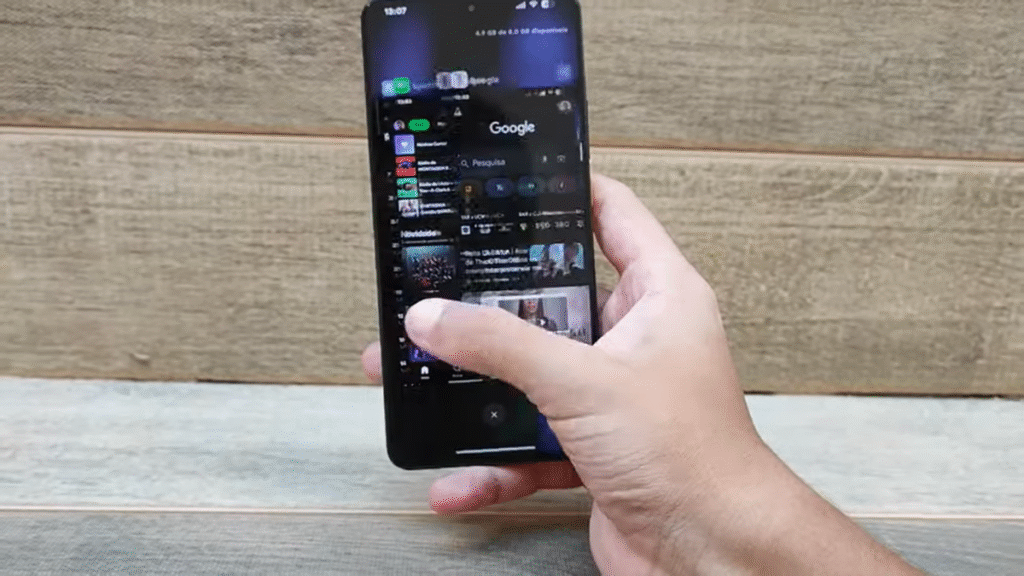
The Dynamic Island works best on the original HyperOS Launcher. Understanding how this launcher evolved helps you get the most from these new features.
Xiaomi has been refining the HyperOS Launcher with each update, making it faster and more efficient. The latest improvements bring better gesture controls and smoother transitions that complement the new Dynamic Island perfectly.
If you’re curious about recent launcher updates, check out our detailed guide on HyperOS Launcher 3 new update to see how these changes work together.
HyperOS Launcher vs POCO Launcher Comparison
It’s worth noting that the HyperOS Launcher and POCO Launcher have important differences. Each has its own advantages for different users.
The Dynamic Island functions better on the original HyperOS Launcher. POCO has some customization limitations that might affect how well third-party apps integrate.
If you want to maximize everything the HyperOS 3.1 Dynamic Island offers, stick with the original launcher. For a complete breakdown of differences and which works best for you, read our comprehensive HyperOS Launcher vs POCO Launcher comparison.
POCO Launcher Gets Updates Too
While we’re talking about launchers, POCO Launcher also received significant updates recently. These improvements bring better performance and new customization options.
Understanding both launchers helps you make the right choice for your needs. The POCO Launcher focuses more on customization, while HyperOS prioritizes integration and smoothness.
For complete details on the latest POCO improvements, see our guide on how to install and optimize the new POCO Launcher update.
Global Update Timeline for HyperOS 3
Wondering when your Xiaomi device gets HyperOS 3.1? The rollout follows a specific schedule based on device priority.
Flagship models always receive updates first. Then premium mid-range devices, followed by standard mid-range and budget phones.
The Chinese beta is already available for top devices. Global stable versions typically arrive 2-3 months after Chinese releases.
Xiaomi has been more transparent about update schedules lately, which helps users plan better. You can track exactly when your specific model should receive the update.
For real-time tracking of when your device gets the update, visit our HyperOS 3 Global update tracker for Xiaomi devices where we monitor rollouts daily.
The Future of Dynamic Island
The trend shows more features coming in future versions. Xiaomi is investing heavily in this functionality.
With Android 16 bringing native support, other brands will also improve their dynamic islands. Competition will increase.
This is great for us users. More competition means better features.
Possible New Features Coming
Voice assistant integration should arrive soon. Controlling the Dynamic Island with voice commands would be very useful.
Customizable widgets are also in the plans. You could choose exactly what you want to see there.
Custom themes and colors should arrive too. Making the Dynamic Island match your style.
Changes Throughout the Entire System
HyperOS 3.1 didn’t just change the Dynamic Island. The entire system got reformulated.
Apps were rewritten to consume fewer resources. The interface became cleaner and more modern.
Xiaomi is clearly taking HyperOS seriously. They want to compete equally with other interfaces.
Why You Should Get Excited
Yes, the HyperOS 3.1 Dynamic Island is a major advancement. Xiaomi nailed it this time.
Visual improvements are great, but third-party app integration is the highlight. This changes everything.
Now we wait for developers to take advantage of this opening. More apps integrating means better experience.
Is It Worth the Upgrade?
If you have a compatible device and like new features, definitely try the beta. The improvements are significant.
The faster animations alone make a noticeable difference. Add the redesigned visuals and app integration, you get a substantially better experience.
Just remember beta versions can have bugs. If you need complete stability for work, wait for the stable release.
Key Improvements Summary
Let’s recap the main changes quickly:
- Faster animations – everything responds 30% quicker
- Redesigned progress bar – smaller, brighter, more premium
- Third-party app support – any app can integrate now
- Rounded corners – more polished, expensive look
- Better battery efficiency – uses fewer resources
- Payment integration – pay without unlocking phone
- Delivery tracking – see order status in real-time
- System-wide improvements – entire OS got faster
“Based on early beta testing and consistent user reports, performance gains can reach up to 30% compared to HyperOS 3.0, especially in system animations, multitasking, and gaming stability.”
Conclusion
The Dynamic Island HyperOS 3.1 represents a significant leap in design and functionality. Xiaomi finally delivered what users requested for years.
Faster animations, premium visuals, and especially third-party app integration completely transform the experience. Your phone becomes more practical and beautiful simultaneously.
If you have a compatible device and enjoy new features, the beta is worth testing. Those preferring stability can wait for the more polished global version.
The Dynamic Island’s future looks promising. With more apps integrating, it’ll become even more essential daily. Stay updated on all Xiaomi news by joining our Telegram channel where we share the latest updates and exclusive content.
FAQ: Frequently Asked Questions
1. Which phones get HyperOS 3.1 first? Flagship models like Xiaomi 17, 17 Pro Max, 15, and 15 Ultra receive the beta version first.
2. Does Dynamic Island work with WhatsApp and Instagram? Not officially yet, but developers can add support using the new Android 16 API.
3. Does HyperOS 3.1 drain more battery than previous versions? No, the system was optimized and actually consumes fewer resources than HyperOS 3.0.
4. Can I downgrade to HyperOS 3.0 after updating? Yes, but the process may erase your data. Make a backup before updating.
5. Will the global version match the Chinese version? Yes, but some China-specific features might not come to other regions.
6. How long until apps support Dynamic Island integration? Depends on each developer, but major apps should integrate within a few months.
7. Does Dynamic Island work on any launcher? Works best on the original HyperOS Launcher; others may have limitations.
8. When does the stable global HyperOS 3.1 release? Expected between February and March 2026 for the first devices.