
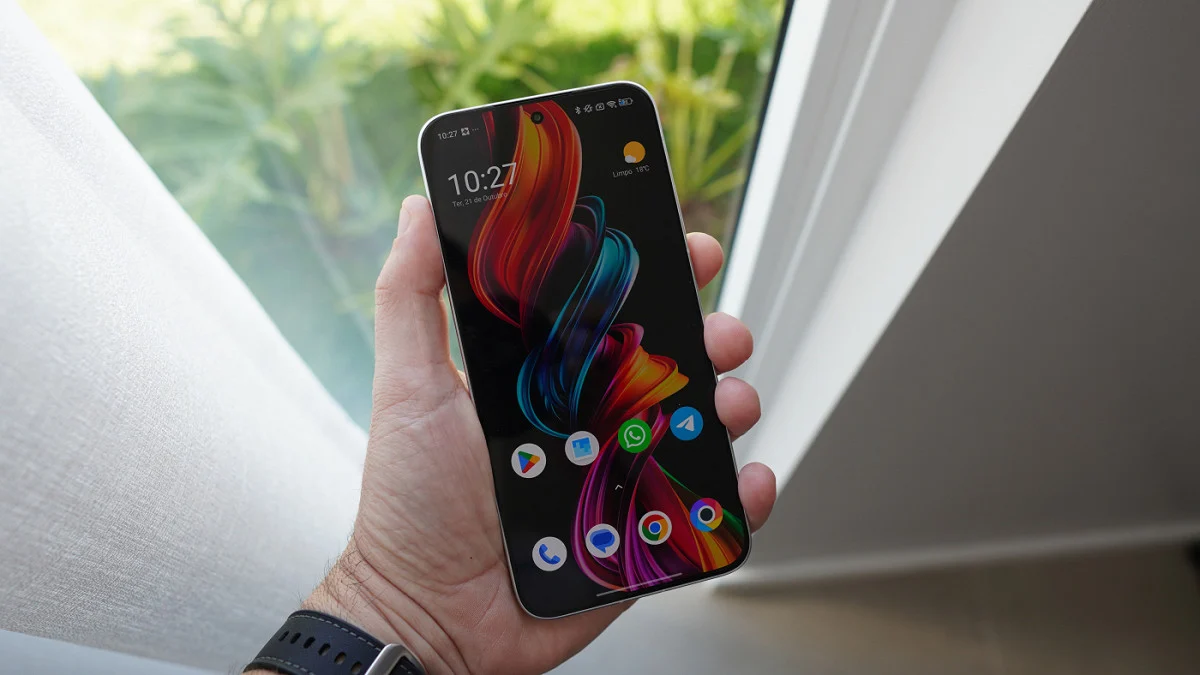
HyperOS 3 Global Arrives for Redmi Note 13 Pro 5G and POCO X6
Xiaomi just rolled out the HyperOS 3 Global stable update for two popular devices. The Redmi Note 13 Pro 5G and POCO X6 are now getting Android 16 features. This is big news for millions of users worldwide who have been waiting for months.
The update brings a complete system overhaul with smoother animations and better battery life. Users can expect faster performance and new privacy features powered by post-quantum encryption. Let’s dive into everything you need to know about this major software release.
What Makes HyperOS 3 Global Special
The HyperOS 3 Global update isn’t just a simple software refresh. It packs two major Android versions in one installation package. Users jump from Android 14 or 15 straight to Android 16.
This means your phone gets years of improvements at once. The system feels faster and more responsive right after installation. Battery life improves thanks to better power management algorithms.
Xiaomi redesigned over 100 system animations to make everything feel smoother. When you swipe between apps or open folders, the motion looks more natural. It’s the kind of polish that makes your phone feel brand new.
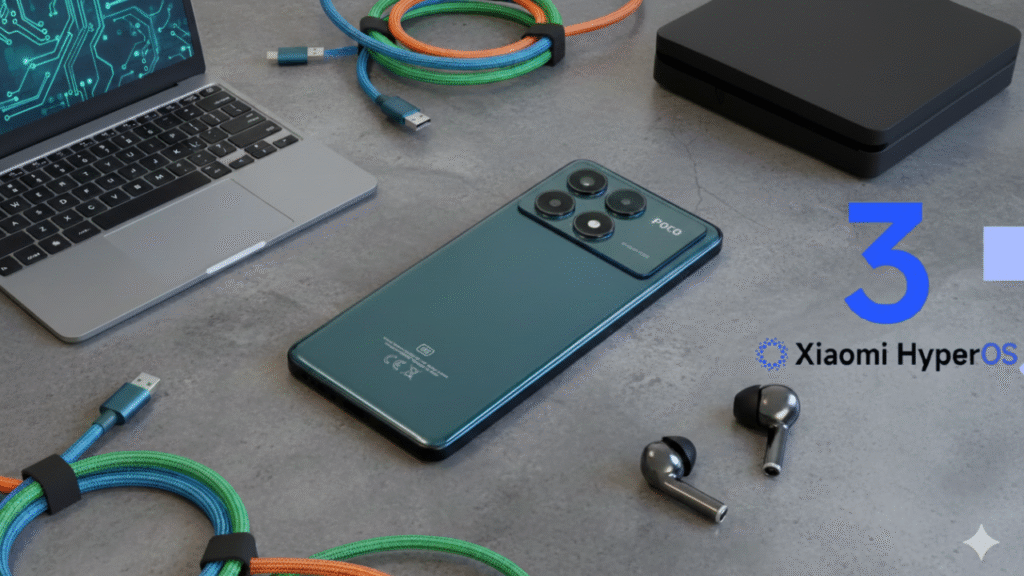
Complete Changelog Breakdown
Performance and Battery Improvements
The update includes refined compiler instructions that boost overall performance. Your phone processes tasks faster while using less power. This is achieved through smarter CPU and GPU frequency scheduling.
Memory management got a major upgrade too. The system allocates and recovers RAM more efficiently. You’ll notice apps staying open in the background longer without refreshing.
Video playback efficiency increased significantly. Scrolling through short videos on social media now drains less battery. Xiaomi tested this specifically with popular apps like TikTok and Instagram Reels.
A new window rendering engine reduces the workload on your graphics processor. Games and heavy apps run smoother with fewer frame drops. The visual experience stays consistent even during intensive tasks.
Cross-Device Connectivity Features
HyperOS 3 Global brings deep integration with Apple’s ecosystem. You can now connect your Xiaomi phone to Apple devices more seamlessly than before. This is unusual for an Android manufacturer and shows Xiaomi’s commitment to user convenience.
Screen mirroring got smarter with window extension capabilities. You can choose which specific app window to cast to your TV or monitor. No need to mirror your entire screen anymore when presenting or watching content.
Cross-device unlocking is another standout feature. Use your Xiaomi tablet’s fingerprint sensor to unlock your Xiaomi phone. Or type your tablet password to access your phone remotely. This works between any Xiaomi devices running HyperOS 3.
System Apps Get Major Updates
The Gallery app received beautiful new widgets for your home screen. You can select favorite collections to display as live photo galleries. Pin specific albums for instant access to your most-viewed photos.
Search functionality in Gallery improved dramatically. Finding specific photos happens faster with more accurate results. The AI recognizes people, places, and objects better than before.
Calendar now offers a weekly view that shows your entire week at a glance. The monthly view highlights holidays and important events with enhanced visual elements. Color coding makes it easier to distinguish between work and personal appointments.
The Recorder app got smart noise reduction for clearer voice playback. Recordings are organized by categories with visual icons for faster browsing. You can find specific recordings much quicker than before.
Privacy and Security Enhancements
Post-quantum encryption protects your personal data against future threats. This advanced security method guards against potential attacks from quantum computers. Your photos, messages, and sensitive files stay safe even as technology evolves.
The privacy settings interface received a complete redesign. Everything looks cleaner and more modern with easier navigation. You can understand and control your privacy options without confusion.
Password management tools are now more intuitive. The system helps you create and store strong passwords securely. Two-factor authentication setup became simpler with step-by-step guidance.
Visual Design Overhaul
Home screen icons got redesigned with sharper details and better clarity. Each icon now has more depth and polish. The overall aesthetic feels more premium and modern.
The status bar features a cleaner design that’s easier to read at a glance. Information displays more clearly without feeling cluttered. Quick settings tiles are more responsive and visually appealing.
A unified design system brings consistency across the entire interface. Rounded corners follow the same pattern throughout all menus and apps. Color comfort improvements reduce eye strain during extended use.
The new lock screen with large clock adds depth and visual layers. You can customize it more extensively than before. A multi-functional editor lets you adjust home screen and lock screen wallpapers simultaneously.
Device Information and Update Timeline
Both the Redmi Note 13 Pro 5G and POCO X6 share the same internal codename “garnet”. This means they receive identical software updates. The hardware is essentially the same with different branding.
Redmi Note 13 Pro 5G Update History
| Timeline | Version | Android Base |
|---|---|---|
| January 2024 Release | MIUI 14 | Android 13 |
| January 2024 | HyperOS 1 | Android 14 |
| December 2024 | HyperOS 2 | Android 15 |
| November 2025 | HyperOS 3 | Android 16 |
Current System: HyperOS 3, Android 16
Support Period: Active until January 2028
China ROM Version: HyperOS 3.0.2.0.WNRCNXM
Global ROM Version: HyperOS 3.0.2.0.WNRMIXM
POCO X6 5G Update Timeline
| Timeline | Version | Android Base |
|---|---|---|
| January 2024 Release | MIUI 14 | Android 13 |
| February 2024 | HyperOS 1 | Android 14 |
| December 2024 | HyperOS 2 | Android 15 |
| November 2025 | HyperOS 3 | Android 16 |
Current System: HyperOS 3, Android 16
Support Period: Active until January 2028
Global ROM Version: HyperOS 3.0.2.0.WNRMIXM
How to Get the Update
Check your phone’s update section regularly to see if the update arrived. Go to Settings, then About Phone, and tap System Updates. The installation package is quite large, so connect to WiFi before downloading.
Important note for some users: If you’re running HyperOS 2.2 version OS2.0.206.0.VNRMIXM, you won’t receive this update directly. The new HyperOS 3 Global version OS3.0.2.0.WNRMIXM includes the November 2025 security patch. Your device might need intermediate updates first.
Download links are available through official Telegram channels for both devices. Always download from trusted sources to avoid security risks. The installation process takes about 15-20 minutes depending on your device’s storage speed.
Understanding Xiaomi’s Update Strategy
Xiaomi has been accelerating its software update schedule recently. The company now delivers major Android versions faster than many competitors. This commitment shows in how quickly HyperOS 3 Global reached these mid-range devices.
For more context on Xiaomi’s overall rollout strategy, check out our coverage of Xiaomi HyperOS 3 Global simultaneous rollout. The company launched updates for multiple device tiers at once, which is unusual in the industry.
The simultaneous release strategy means flagship and mid-range phones get treated equally. This democratizes access to new features across price points. Budget-conscious buyers benefit from the same software experience as premium device owners.
Which Devices Are Next
Xiaomi maintains an extensive update list for HyperOS 3 Global distribution. Over 50 devices are scheduled to receive Android 16 throughout 2025 and early 2026. The company prioritizes recent releases but doesn’t forget older models.
You can track which phones are getting updates next by visiting our comprehensive HyperOS 3 Global Android 16 update list. The tracker shows confirmed devices, expected dates, and current rollout status.
Popular models like the Xiaomi 14 series and Redmi Note 12 lineup are already confirmed. Even some devices from 2022 will eventually receive this major system upgrade. Xiaomi’s update support typically lasts three to four years for most models.
POCO X6 Pro Gets Special Treatment
Interestingly, the POCO X6 Pro is also receiving HyperOS 3 Global around the same timeframe. This device shares similar hardware with the regular X6 but offers upgraded specifications. The update process and features remain consistent across both variants.
For detailed information about the Pro model’s update, read our article on POCO X6 Pro HyperOS 3 Global update with Android 16. The Pro version includes additional optimizations for its faster processor and enhanced camera system.
Both devices benefit from the same core improvements in system stability and battery efficiency. The Pro model’s extra RAM helps animations feel even smoother. Gaming performance sees notable gains on both devices but especially on the X6 Pro.
Daily Updates Across Xiaomi’s Ecosystem
Xiaomi pushes software updates almost every day across different device categories. The company manages one of the largest Android device portfolios globally. Keeping track of what’s new requires constant monitoring.
Stay informed about daily software releases by following our Redmi, POCO, and Xiaomi updates tracker. This resource updates in real-time with new ROM releases, bug fixes, and feature additions.
The tracker covers everything from flagship Xiaomi phones to budget Redmi models. POCO devices get their own section since they often receive specialized gaming optimizations. Regional ROM variations are also documented for users in different markets.
What Users Are Saying
Early adopters report significant improvements in daily usage smoothness. Apps launch faster and multitasking feels more fluid. Battery drain during standby reduced noticeably for most users.
Some users experienced minor bugs immediately after installation. These typically resolve after the phone completes optimization processes. Xiaomi usually releases quick patches for any widespread issues.
The redesigned interface receives mostly positive feedback. Users appreciate the cleaner aesthetic and improved readability. Some prefer the old design but acknowledge the new system feels more modern.
Camera performance remained stable after the update. A few users reported slight improvements in low-light photography. Video recording quality stayed consistent with pre-update performance.
Tips for a Smooth Update Experience
Back up your important data before installing major system updates. Use Xiaomi Cloud or Google Drive to save photos, contacts, and documents. This prevents data loss if anything goes wrong during installation.
Ensure your battery is above 50% before starting the update. Better yet, keep your phone plugged in throughout the process. Interrupted installations can cause system instability.
Clear some storage space if your phone is nearly full. Major updates need several gigabytes of free space to install properly. Delete unused apps or move files to external storage beforehand.
After installation, let your phone sit idle for 10-15 minutes. The system needs time to optimize apps and rebuild cache. Your phone might feel slow initially but performance improves quickly.
Comparing HyperOS 3 to Previous Versions
HyperOS 3 Global represents a massive leap from HyperOS 1. The first version was essentially MIUI with a new name. This third iteration truly feels like a distinct operating system.
HyperOS 2 introduced many visual changes but HyperOS 3 refines them further. Animations are smoother and more consistent now. The overall system stability improved significantly with this release.
Feature additions accelerated with each HyperOS version. Cross-device connectivity barely existed in version 1. Now it’s a core selling point that rivals Apple’s ecosystem integration.
Privacy features evolved tremendously across these updates. Post-quantum encryption in HyperOS 3 positions Xiaomi as a security-conscious manufacturer. This wasn’t a priority in earlier versions.
Should You Update Right Away
Most users should install the update when it becomes available. The improvements outweigh any minor bugs that might appear initially. Xiaomi’s track record with major updates is generally solid.
Power users who rely on specific apps should wait a few days. Check online forums to see if anyone reports compatibility issues. Some banking or work apps occasionally need updates to work with new Android versions.
Gamers will benefit from the graphics rendering improvements immediately. Performance gains in popular titles are noticeable. Competitive players might see slightly better frame stability.
If your phone already works perfectly and you’re risk-averse, waiting is fine. However, you’ll miss out on important security patches. The November 2025 security update addresses several vulnerabilities.
The Future of HyperOS
Xiaomi positions HyperOS as more than just a smartphone operating system. The company envisions it running across TVs, tablets, cars, and smart home devices. This update brings that vision closer to reality.
Integration between devices will deepen with future HyperOS versions. Your phone, tablet, and laptop could share workspaces seamlessly. Files and notifications might sync instantly across all your Xiaomi gadgets.
AI features will likely expand in upcoming releases. Xiaomi invested heavily in machine learning research recently. Expect smarter photo editing, better voice assistants, and predictive system optimizations.
The company promises continued support for existing devices. Even budget phones receive multiple major updates now. This sustainability approach extends device lifespans and reduces electronic waste.
Common Issues and Solutions
Some users report WiFi connectivity problems after major updates. Try forgetting your network and reconnecting with the password. Resetting network settings usually fixes persistent issues.
Battery drain complaints are common immediately post-update. Give your phone 2-3 days to complete background optimizations. Battery life typically stabilizes after this adjustment period.
App crashes occasionally happen with new Android versions. Check the Play Store for app updates that add compatibility. Developers usually release fixes within a week of major system updates.
Fingerprint sensor issues sometimes occur after HyperOS updates. Delete and re-register your fingerprints in settings. This refreshes the sensor data with the new system configuration.
Regional Rollout Differences
HyperOS 3 Global reaches different regions on varying schedules. Europe and Asia typically receive updates first. North and South America follow within days or weeks.
Regional ROM versions may include or exclude certain features. Some markets get additional customization options or pre-installed apps. These differences reflect local regulations and user preferences.
Download sizes can vary between regions due to included languages. European ROMs often contain more language packs than Asian versions. This doesn’t affect core functionality or performance.
Security patch levels might differ slightly between regional releases. Global ROMs prioritize stability over cutting-edge patches sometimes. This ensures fewer bugs for the majority of users.
Final Thoughts on This Major Update
HyperOS 3 Global delivers meaningful improvements across every system aspect. Xiaomi listened to user feedback and addressed common complaints. The result is a polished, feature-rich operating system.
Redmi Note 13 Pro 5G and POCO X6 owners should feel valued. Getting Android 16 this quickly shows Xiaomi’s commitment to mid-range devices. These phones will remain relevant and competitive for years.
The update sets a new standard for what users should expect. Competing manufacturers need to match this level of software support. Consumers benefit when companies prioritize long-term device maintenance.
Whether you’re a casual user or tech enthusiast, this update improves your experience. Better battery life matters to everyone. Smoother animations and enhanced security make daily phone use more enjoyable.
If you want to dive deeper into Xiaomi’s update ecosystem, check out our HyperOS 3 Global real-time update tracker. We monitor releases daily and provide instant notifications for new software.
Frequently Asked Questions
What is HyperOS 3 Global? It’s Xiaomi’s latest operating system based on Android 16, bringing new features, better performance, and enhanced security to compatible devices.
Which phones get HyperOS 3 Global first? Redmi Note 13 Pro 5G and POCO X6 are among the first mid-range devices receiving the stable global update with version OS3.0.2.0.WNRMIXM.
How big is the HyperOS 3 update file? The update package is several gigabytes since it includes two major Android versions. Exact size varies but expect around 3-4GB download.
Will HyperOS 3 slow down my phone? No, it actually improves performance through better memory management and optimized compiler instructions that make apps run faster.
Can I skip HyperOS 2 and go straight to HyperOS 3? Yes, the update includes all improvements from HyperOS 2, so you can jump directly from HyperOS 1 to version 3 without issues.
Does HyperOS 3 work with Apple devices? Yes, it includes deep Apple ecosystem integration, allowing better connectivity between your Xiaomi phone and Apple products like MacBooks.
How long will Redmi Note 13 Pro get updates? Xiaomi promises support until January 2028, meaning your device receives security patches and potential feature updates for years.
What if I don’t receive the update notification? Check manually in Settings > About Phone > System Updates. If unavailable, your region might receive it later or your current version isn’t compatible.
Key Takeaways
- HyperOS 3 Global brings Android 16 to Redmi Note 13 Pro 5G and POCO X6
- Update version OS3.0.2.0.WNRMIXM includes November 2025 security patch
- Over 100 system animations redesigned for smoother visual experience
- Post-quantum encryption provides advanced data protection
- Cross-device unlocking works between Xiaomi phones and tablets
- New window rendering engine reduces graphics processing load
- Gallery app features customizable widgets and improved search
- Calendar offers weekly view with enhanced visual elements
- Recorder includes smart noise reduction technology
- Apple ecosystem integration enables better cross-platform connectivity
- Memory management optimization increases available system RAM
- Screen mirroring allows selective window casting
- Status bar redesigned with cleaner, more readable layout
- Lock screen features large clock with depth and layers
- Support continues until January 2028 for both devices
- China ROM version is HyperOS 3.0.2.0.WNRCNXM
- Global ROM version is HyperOS 3.0.2.0.WNRMIXM
- Both devices share codename “garnet” for unified updates
- Video playback efficiency improved for better battery life
- Privacy settings interface completely redesigned
- Compiler instructions refined for better performance
- Frequency scheduling enhanced to reduce power consumption
- Home screen icons redesigned with sharper details
- Unified design system creates consistent interface experience
- Download available through official Telegram channels